
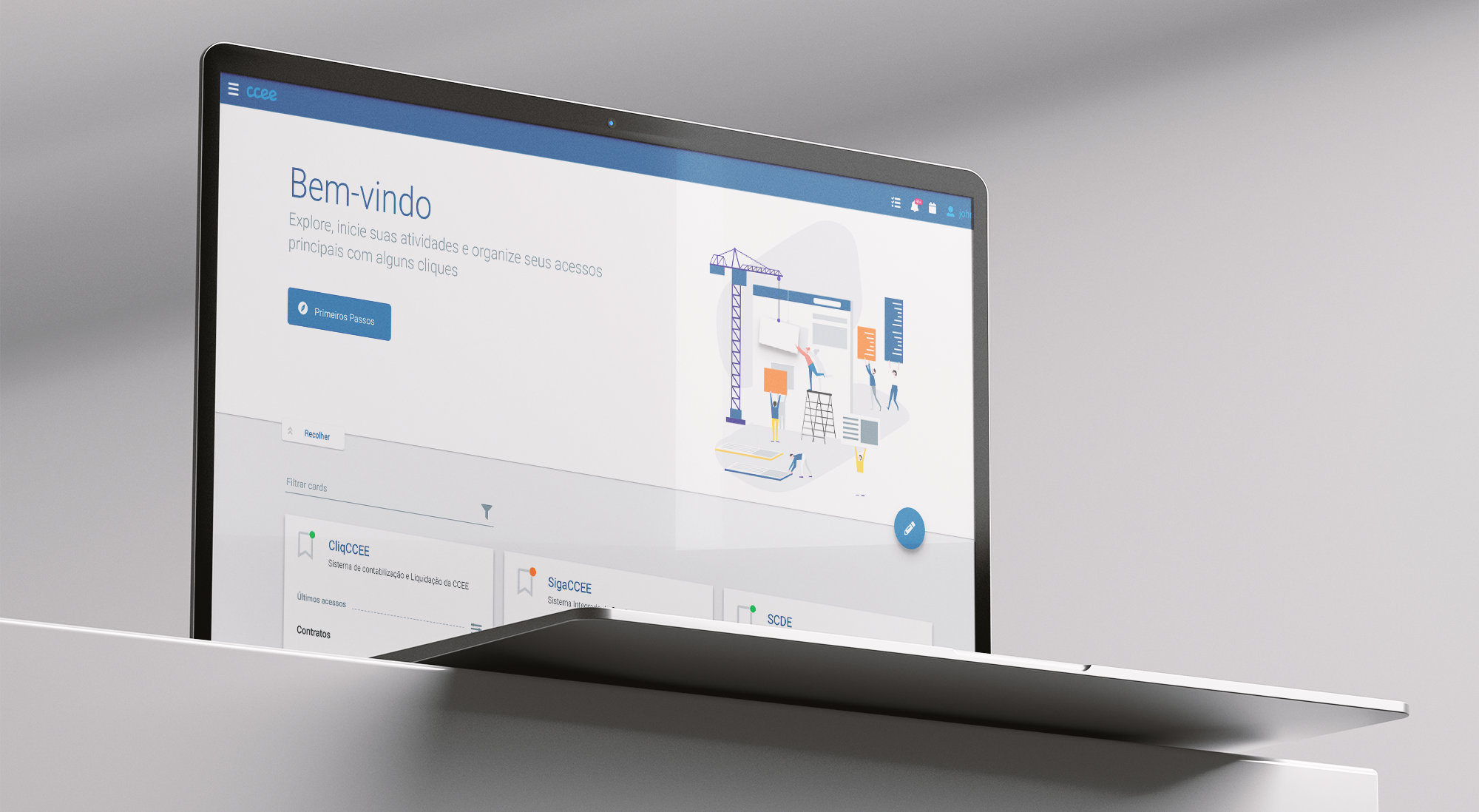
Integration Platform
CCEE • 2018 – 2020 • Product Designer Lead
Transforming a fragmented ecosystem of legacy systems into a unified digital platform for Brazil’s energy market.
Led the experience architecture and design system strategy behind “Cockpit”, aligning product, UX, and software architecture across dozens of critical systems. The initiative established a scalable foundation for digital transformation, reduced operational friction, and positioned design as a structural layer of integration — not just interface polish.
Clarify
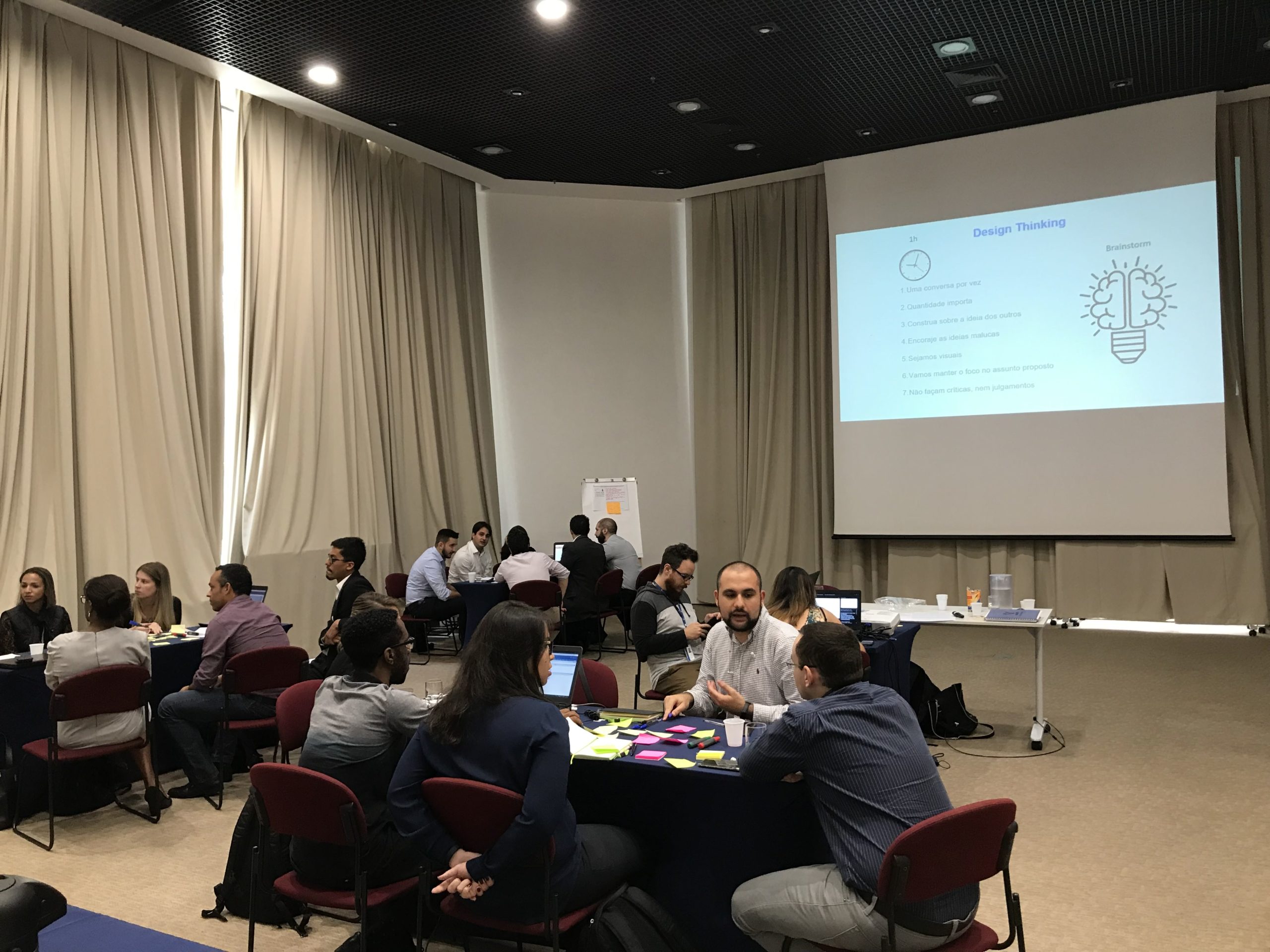
We combined qualitative interviews with behavioral evidence through Real User Monitoring (RUM), analyzing 24 months of interaction data across legacy and new systems. This made invisible inefficiencies visible — revealing where time was lost, where errors accumulated, and which journeys carried the highest operational risk.

Digital Experience Transformation
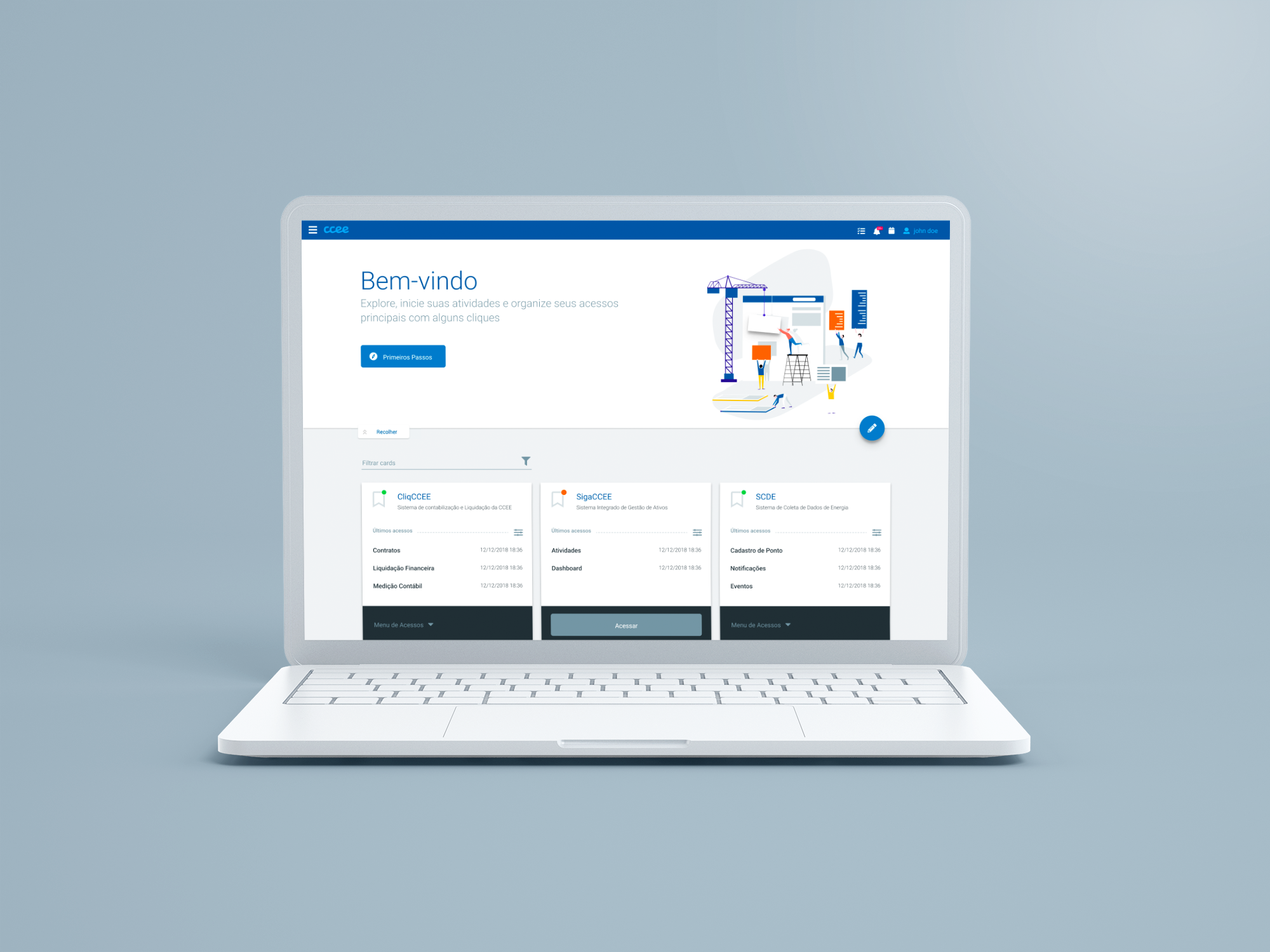
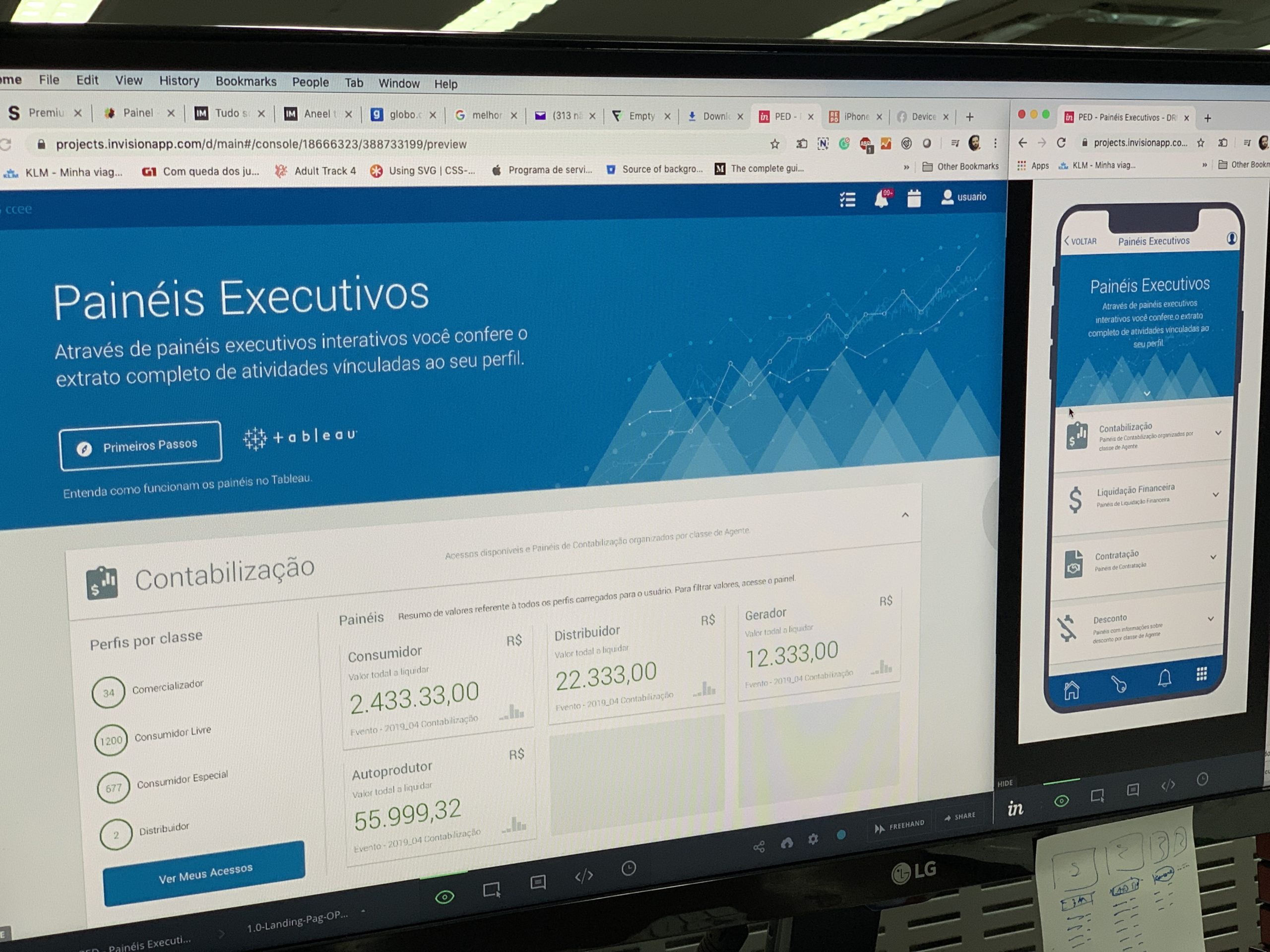
From 2019 to 2020, CCEE underwent a significant digital transformation that yielded excellent results. The foundation for this change was an initiative by the company’s software architecture team to create a new digital platform that is fully dedicated to enhancing the customer experience
Design System
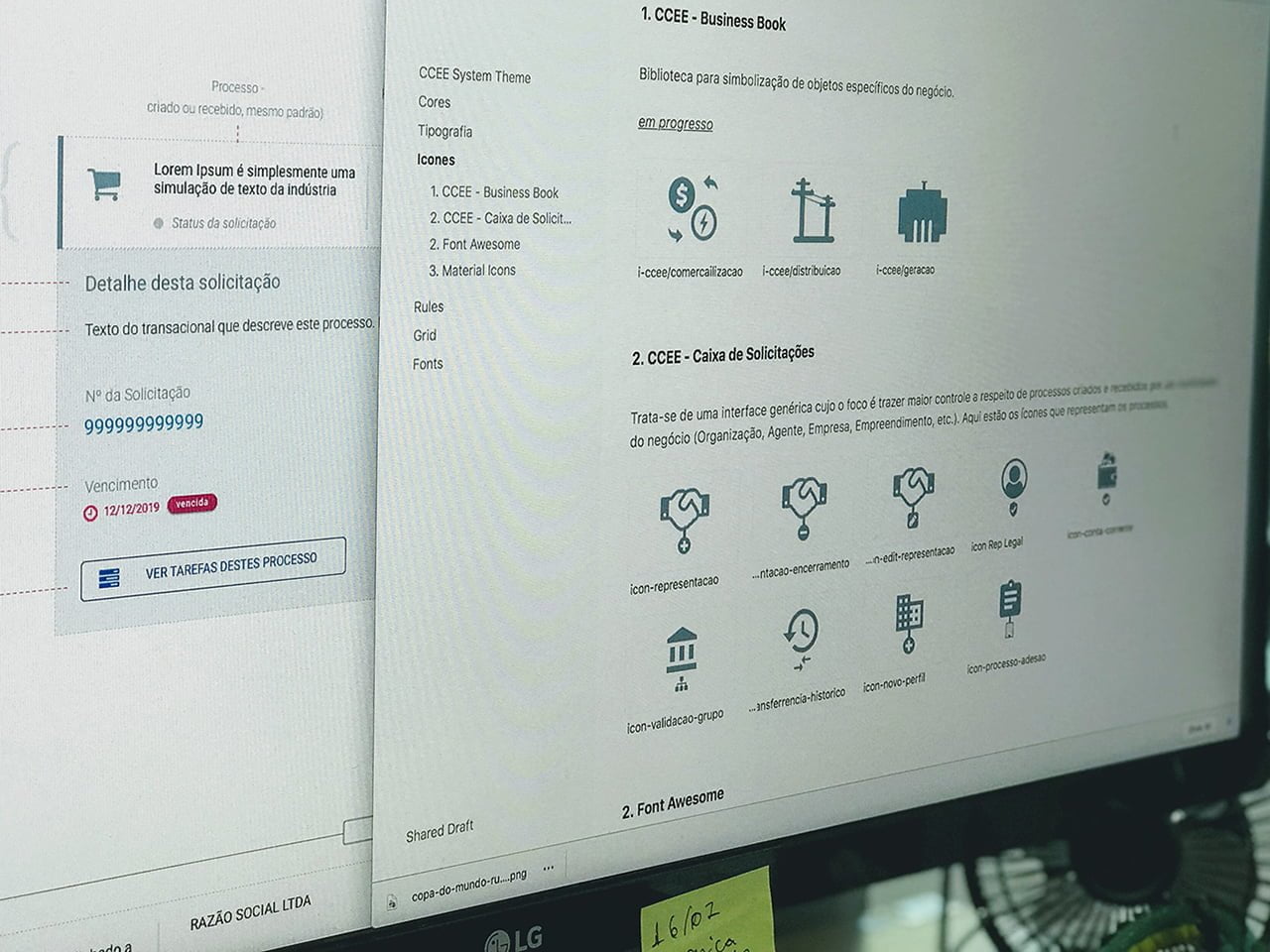
A significant portion of the required integration occurs through the User Interface (UI). There are numerous legacy systems, varying architectures, and front-end frameworks with outdated UI.
To achieve the desired outcome, the design team conducted a thorough inventory of the interfaces, as part of the CCEE Design System implementation project. The process began in 2018 and is currently ongoing.

Innovation and recognition
Support from the board and the organization’s strategy is essential. The result is already being reflected in the new digital products.

What I learned
In high-stakes ecosystems, “integration” is rarely only technical — it’s a decision-making problem. Making intent explicit, measuring behavior, and designing shared standards turned a fragmented system landscape into a platform teams could evolve with confidence.